Battery storage

Your solar power, on your schedule

Store the sunshine you make at noon and use it at 7pm when rates peak. Stay powered through outages. Batteries are how California homeowners win under NEM 3.0.
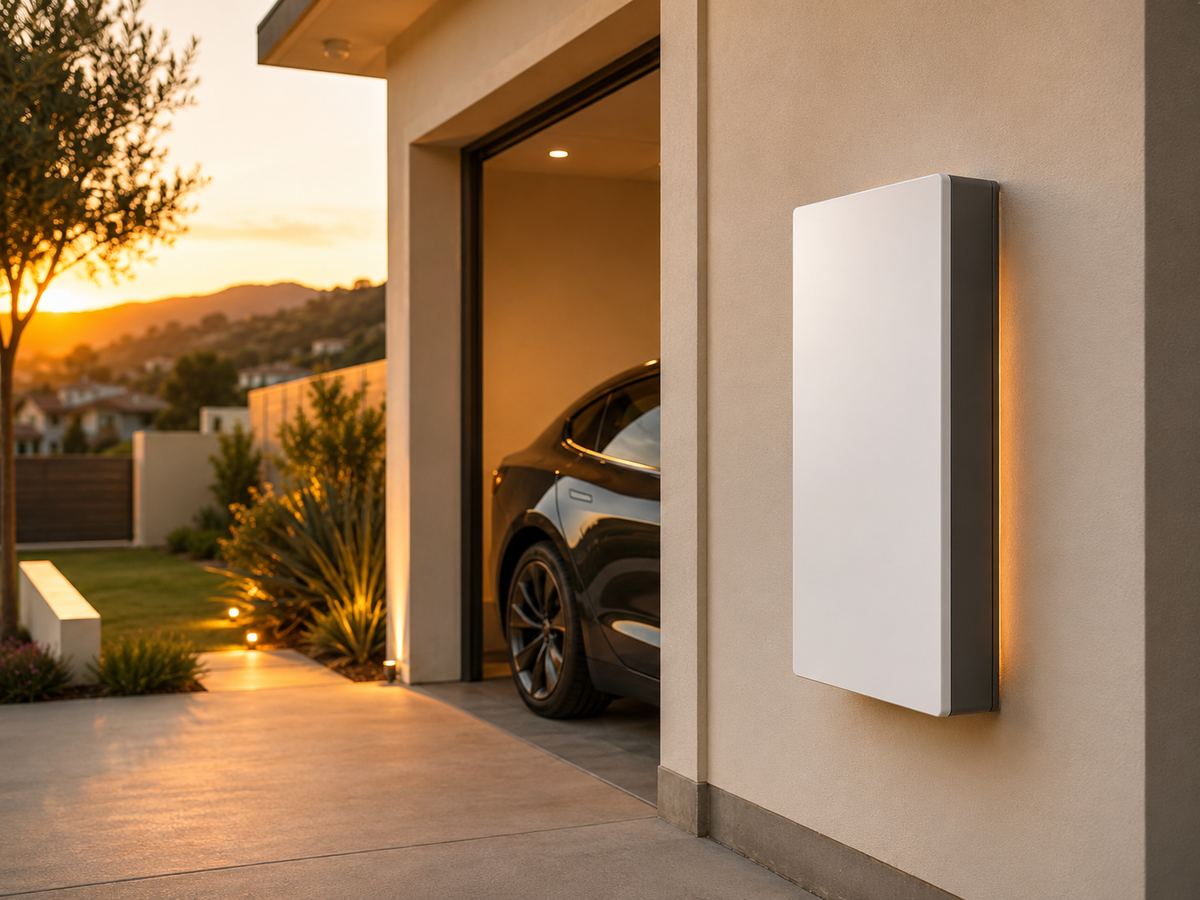
Sleek home battery unit installed in a garage
Why add storage

Three jobs, one sleek box on your wall

Beat peak rates

California evening rates are the most expensive of the day. Your battery discharges your free solar power exactly when grid power costs the most.

Outage protection

When PSPS shutoffs or storms take the grid down, your essentials keep running — automatically, in milliseconds.

Maximize NEM 3.0 value

Exports pay little under net billing. Self-consuming your stored solar is worth roughly 3–4× more than selling it back.
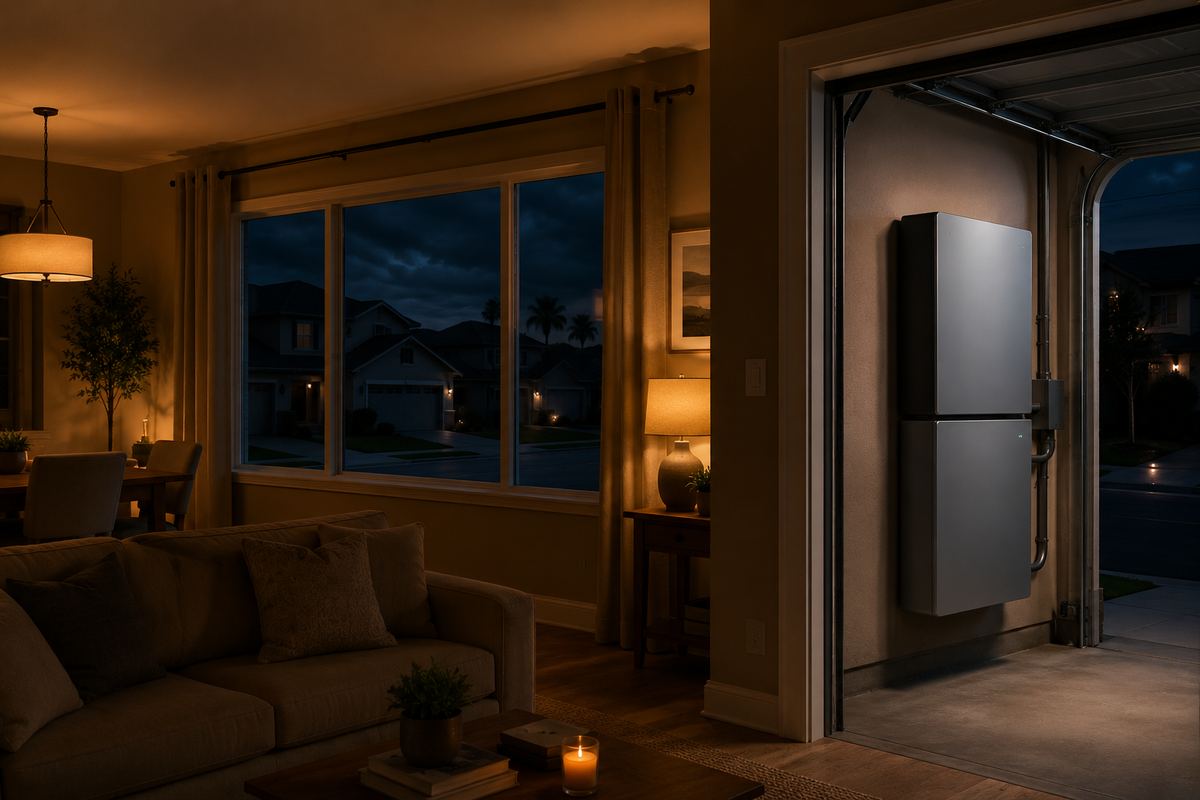
Home battery keeping lights on during an outage
How it works

Set it once, then forget it

Your battery charges from your panels during the day and follows an intelligent schedule: power your evening, hold a reserve for outages, repeat. You control priorities from an app.

  • Seamless backup: switches over in milliseconds when the grid drops
  • Storm watch: automatically tops up before predicted severe weather
  • Scalable: stack batteries for whole-home backup or EV-heavy households
  • SGIP rebates: California pays you to add storage in most utility territories
Read the battery guide
FAQ

Battery storage questions

Under California's NEM 3.0 net billing, the utility pays you far less for solar power you export than what you pay for grid power. A battery lets you store your surplus solar and use it in the evening instead of selling it cheap — which typically improves savings dramatically and shortens payback.
It depends on the size of the battery and what you want to run. Most homeowners back up essentials — refrigerator, lights, Wi-Fi, garage door, some outlets. Whole-home backup is possible with larger or stacked batteries. We design backup around what matters to you.
Yes. California's Self-Generation Incentive Program (SGIP) offers battery rebates in most utility territories — from roughly $150 per kWh for general-market customers up to significantly more for equity and resiliency tiers (homes in high fire-threat areas or enrolled in assistance programs). The federal residential tax credit ended December 31, 2025, but lease and PPA structures can still capture federal credits and pass savings through to you. We apply every incentive you qualify for.
In most cases, yes. We retrofit batteries to existing systems — including systems we didn't install. We'll evaluate your inverter and panel setup and recommend the cleanest integration.

Price a solar + battery system for your home

Toggle battery storage on in our instant estimator and see exactly how it changes your numbers.

Estimate Solar + Battery